


Newsletter Subscribe
Enter your email address below and subscribe to our newsletter

Enter your email address below and subscribe to our newsletter
Live with Intention
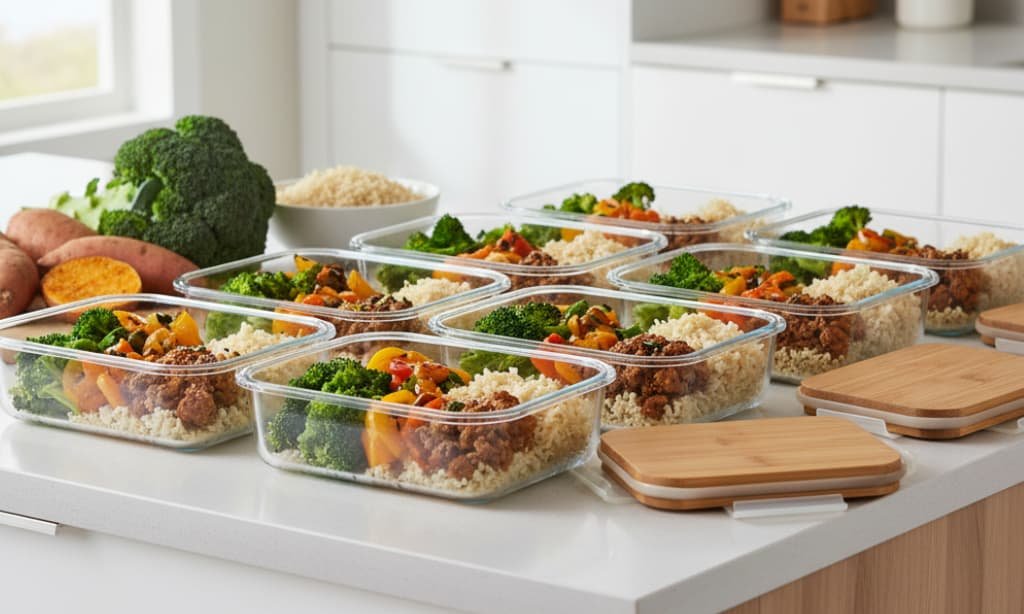
One of the biggest challenges with healthy eating is not knowing what to cook every day. When decisions pile up, mental fatigue increases and people often default to convenience foods that do not support long-term goals. Decision overload makes even motivated individuals choose the fastest option rather than the healthiest one.
Creating a small set of weekly meal ideas removes this pressure. Instead of starting from zero each day, you rely on a simple framework that guides shopping, preparation, and cooking. This structure reduces stress, saves time, and makes healthy eating easier to maintain consistently.
When food decisions become automatic, consistency improves naturally.
Weekly meal ideas work best when they are built around simplicity and repetition. This does not mean eating identical meals every day. It means using familiar ingredients in different combinations so meals remain interesting without increasing complexity.
When meals share common ingredients, grocery shopping becomes faster and more efficient. Cooking becomes simpler because preparation steps repeat. Food waste decreases because ingredients are used across multiple dishes instead of being forgotten in the fridge.
Repetition builds rhythm. Rhythm builds consistency.
Small variations such as changing spices, sauces, or cooking styles create enough variety to keep meals enjoyable while maintaining efficiency.
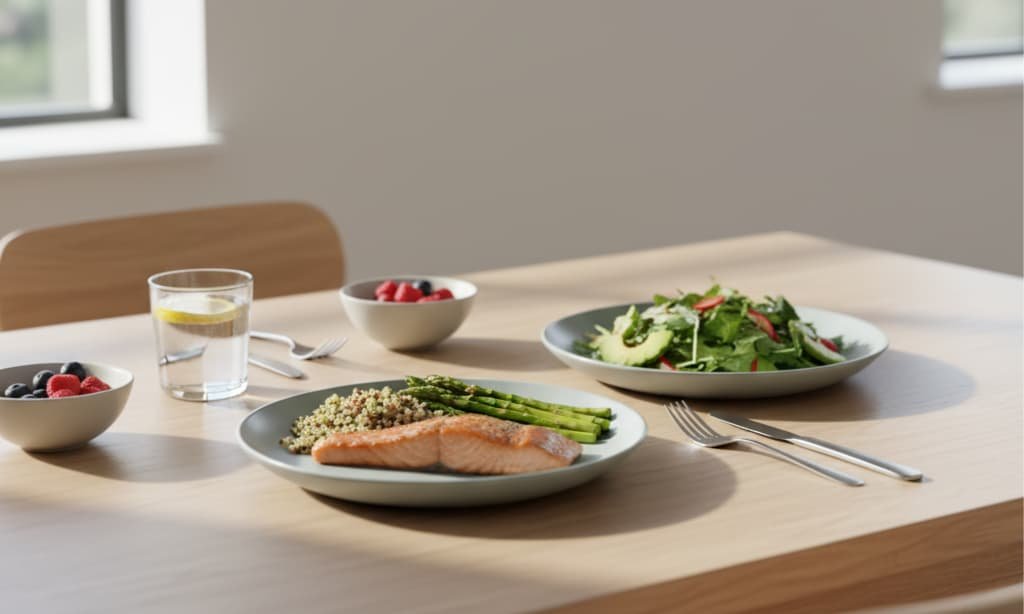
A strong weekly structure begins with protein. Choosing two or three protein sources for the week creates flexibility without overwhelm. Protein supports fullness, muscle maintenance, and stable energy levels throughout the day.
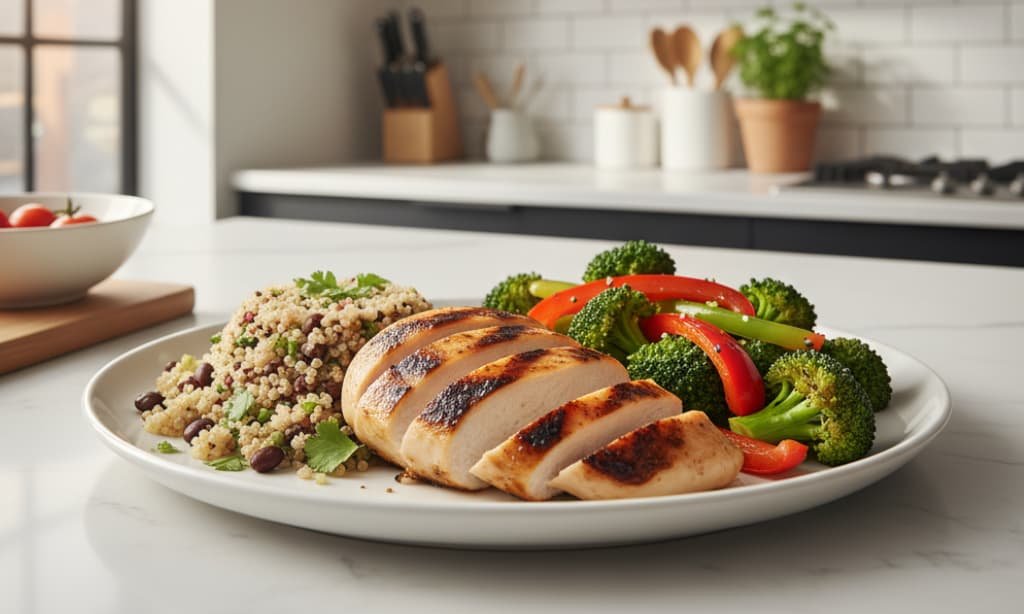
Options such as chicken, fish, eggs, beans, lentils, tofu, or lean meat can be cooked in batches and reused across meals. One batch of grilled chicken can become salads, wraps, stir-fries, or grain bowls throughout the week. Cooked lentils can be added to soups, salads, or vegetable bowls.
Protein-focused planning reduces random snacking and helps regulate appetite naturally.
Batch cooking protein saves time and reduces daily friction.
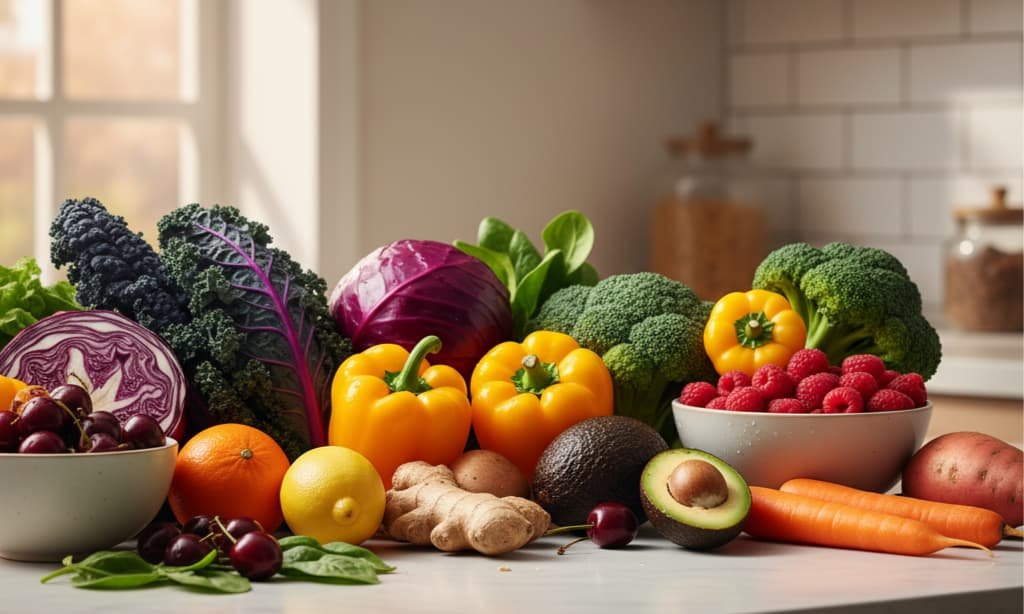
Vegetables form the foundation of effective meal ideas. Roasting a large tray of mixed vegetables at the beginning of the week provides a ready-to-use base for lunches and dinners. Vegetables add volume, fiber, hydration, and micronutrients that support digestion and fullness.
Using a variety of colors improves nutrient diversity and keeps meals visually appealing. Rotating vegetable choices weekly prevents boredom and improves overall nutritional balance.
Roasted vegetables can be added to salads, wraps, bowls, omelets, soups, and stir-fries. This flexibility allows the same ingredients to serve multiple meal types without repetitive flavor.
Vegetables make meals feel abundant rather than restrictive.
Carbohydrates support energy, mental clarity, and workout performance. Including one or two carbohydrate options for the week creates balanced meals without excessive intake.
Options such as rice, quinoa, potatoes, oats, or whole grains can be prepared in batches and portioned easily. Balanced carbohydrate portions support consistency and prevent cravings that often appear when carbs are eliminated completely.
Using carbohydrates strategically allows meals to feel satisfying and complete while maintaining steady energy throughout the day.
Balanced intake supports sustainability.
Simple meal systems work best when meals are modular. Modular meals allow ingredients to be mixed and matched easily rather than locked into rigid recipes.
A grain bowl can become a salad the next day by adding greens and dressing. Leftover roasted vegetables can be added to eggs for breakfast, wrapped into tortillas for lunch, or blended into soups. Protein can shift between different sauces and seasonings to create variety.
Modularity reduces boredom while maintaining simplicity.
This approach saves time and keeps creativity alive without increasing workload.
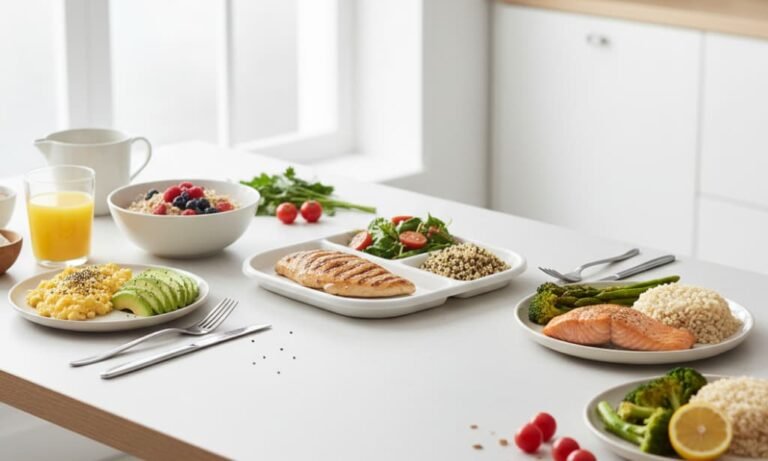
Breakfast works best when it is quick and dependable. Having a small rotation of reliable breakfast options prevents skipping meals or relying on sugary convenience foods.
Options such as overnight oats, yogurt bowls, eggs with vegetables, smoothies, or cottage cheese with fruit provide balanced nutrition and stable energy. These meals require minimal preparation and can be repeated without decision fatigue.
Consistency at breakfast stabilizes appetite and reduces cravings later in the day.
Snacks should be included in weekly planning rather than left to chance. Preparing snack options such as fruit, nuts, yogurt, boiled eggs, hummus with vegetables, or whole-grain crackers prevents impulsive eating.
Planned snacks support stable energy levels and prevent extreme hunger between meals. This reduces overeating during main meals and improves overall consistency.
Having healthy snacks readily available removes friction during busy or stressful moments.
The purpose of weekly meal ideas is not perfection but reliability. Meals do not need to be elaborate or restaurant-level. Simple meals that are easy to prepare and repeat create sustainable habits.
Preparation reduces daily stress and decision-making. When meals are planned and ingredients are ready, healthy choices become the default option rather than the hard option.
Time saved in the kitchen can be used for rest, movement, or personal priorities.
Building a habit of simple weekly meal ideas improves consistency, reduces food waste, saves money, and supports long-term health. Structure creates stability. Stability creates momentum.
When meals feel manageable, confidence increases. Healthy eating becomes part of daily routine rather than a constant challenge.
Consistency drives lasting results.