

Newsletter Subscribe
Enter your email address below and subscribe to our newsletter

Enter your email address below and subscribe to our newsletter
Live with Intention
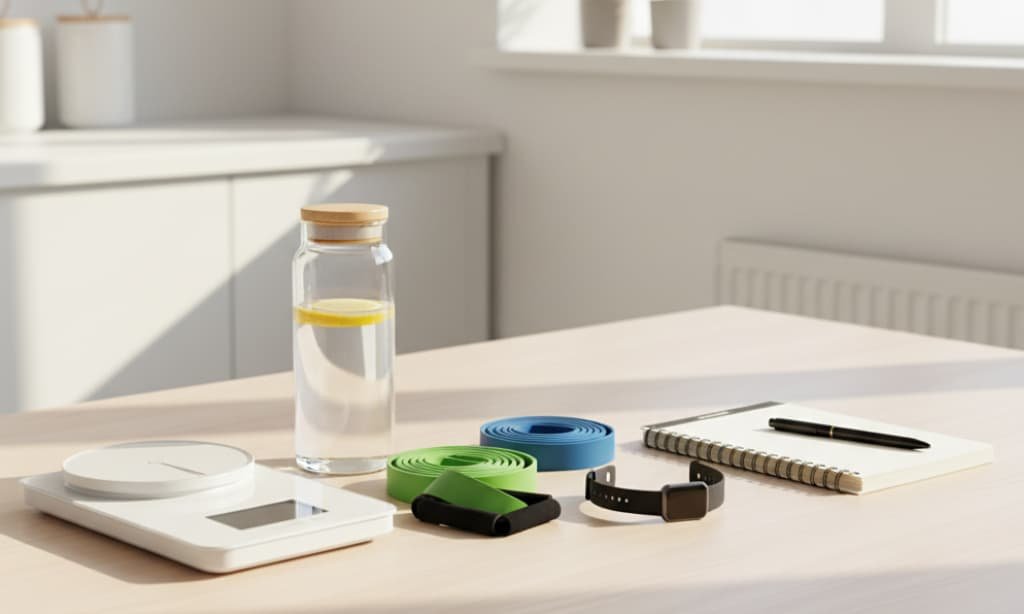
Healthy living becomes much easier when the right tools are in place. Tools do not create discipline or motivation on their own, but they remove friction from daily actions. When healthy choices require less effort, consistency improves naturally. Small barriers often prevent people from following through, even when intentions are strong. Tools simplify these actions and reduce decision fatigue.
The purpose of using tools is not to complicate routines or add unnecessary systems. The goal is to support habits that are already forming and make them easier to repeat. When actions become convenient, they become automatic over time. Consistency grows when healthy behavior fits smoothly into daily life rather than requiring constant willpower.
Tools work best when they match lifestyle, environment, and personal preferences. Simple tools that are easy to access and easy to use create lasting impact without creating stress or dependency.
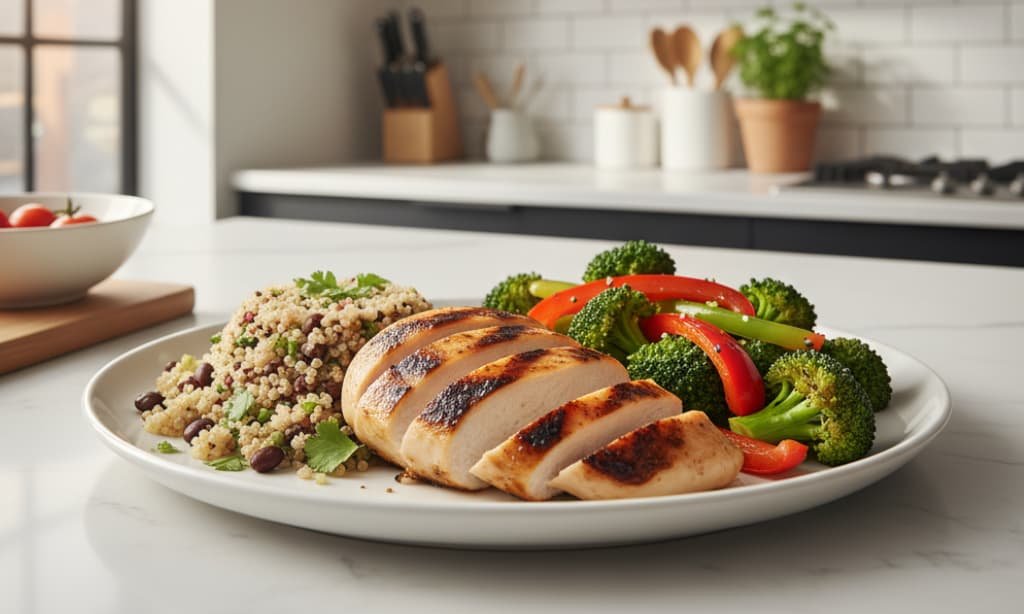
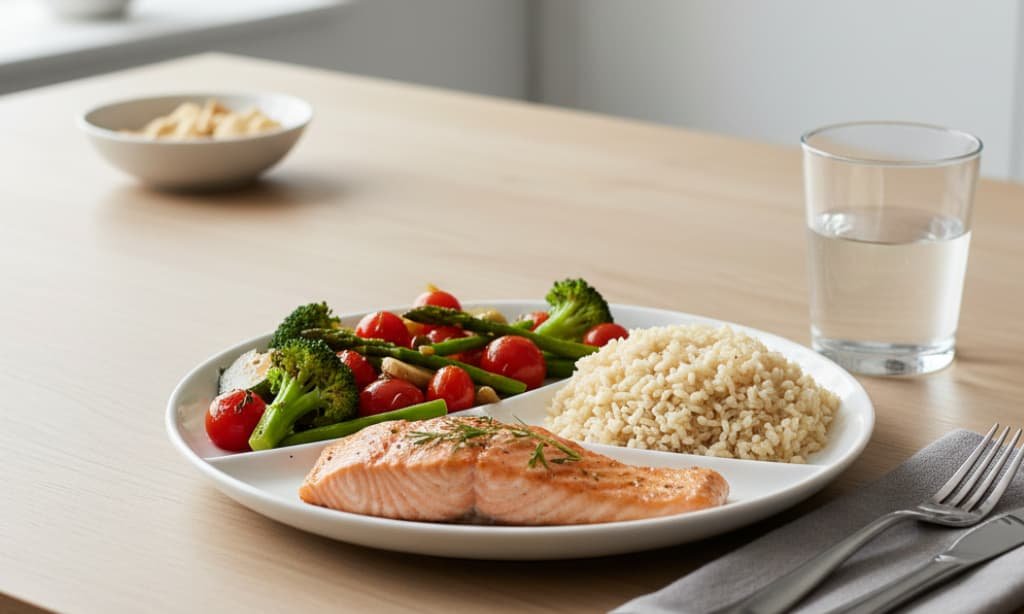
One of the most useful foundations for healthy eating is a basic kitchen setup. Simple items such as measuring cups, a food scale, storage containers, cutting boards, and sharp knives support portion awareness and efficient meal preparation. These tools are not meant for obsessive tracking. They help develop visual awareness of balanced portions and ingredient amounts.
When people begin cooking more often, these tools reduce uncertainty and improve confidence. Understanding portion sizes becomes easier when measurements are seen repeatedly. Over time, the body learns what balanced portions look and feel like, reducing the need for constant measuring.
Meal containers simplify organization. Preparing a few meals or ingredients ahead of time reduces impulsive choices when energy is low or schedules become busy. Accessibility supports consistency. When healthy food is already prepared or easy to assemble, the likelihood of making supportive choices increases.
A well-organized kitchen reduces friction. When tools are visible and accessible, healthy cooking feels easier and faster.
Hydration plays a powerful role in appetite regulation, digestion, energy levels, and mental clarity. Many people underestimate how dehydration affects mood, focus, and hunger. Thirst often disguises itself as fatigue or hunger, leading to unnecessary snacking and low productivity.
A reusable water bottle kept nearby encourages consistent hydration without effort. When water is within reach, drinking becomes automatic. Some people benefit from bottles marked with time goals, while others simply rely on habit cues such as sipping during breaks, meals, or movement.
Having water available during work, travel, and workouts prevents dehydration from becoming an invisible obstacle. Small hydration habits compound into better digestion, improved appetite awareness, and steadier energy throughout the day.
Simple access removes resistance.
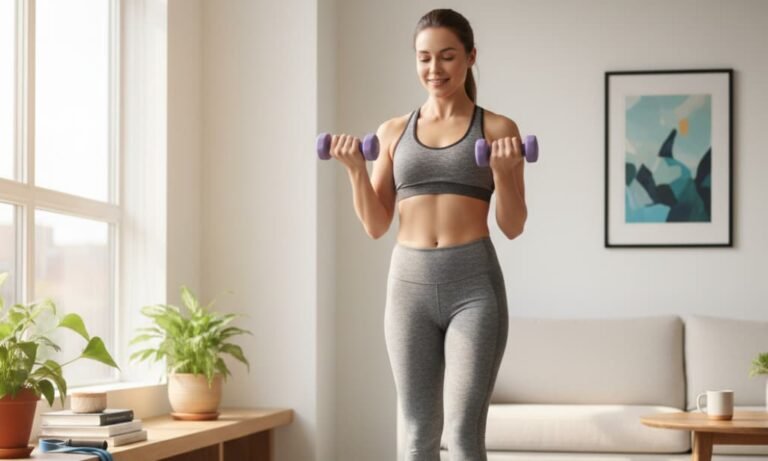
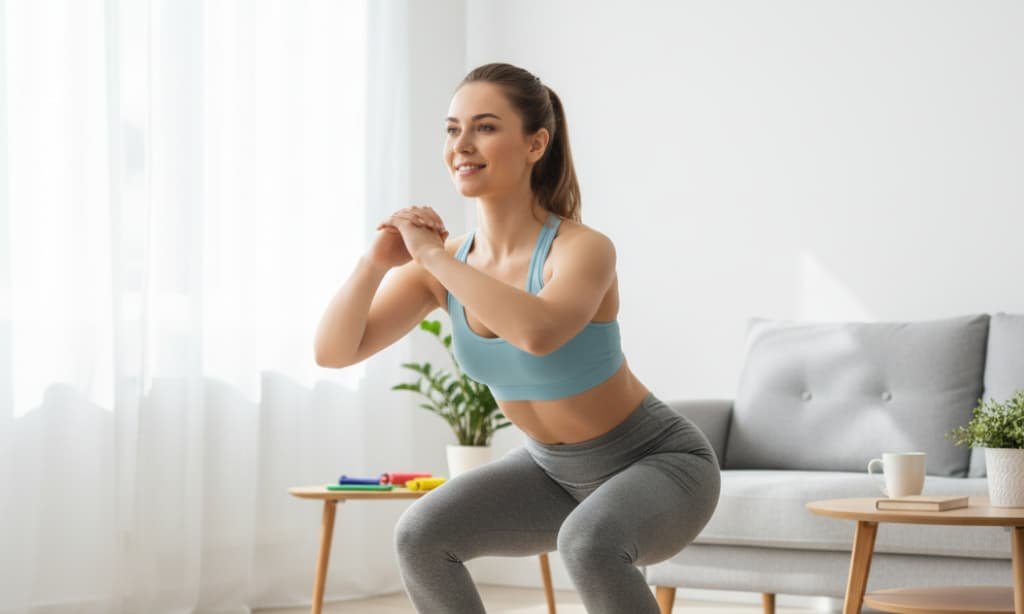
Fitness tools do not need to be advanced, expensive, or complicated. Resistance bands, a yoga mat, adjustable dumbbells, or a jump rope provide enough variety to support strength, mobility, and cardiovascular health at home. These tools remove common barriers such as travel time, gym access, and scheduling conflicts.
When movement is easy to start, consistency improves. A short workout becomes achievable even during busy days. This reinforces identity and momentum rather than relying on motivation spikes.
Home tools also reduce psychological resistance. When equipment is visible and accessible, movement becomes a natural part of the environment rather than a separate task requiring preparation and planning.
Consistency matters more than intensity. Simple tools support steady engagement.
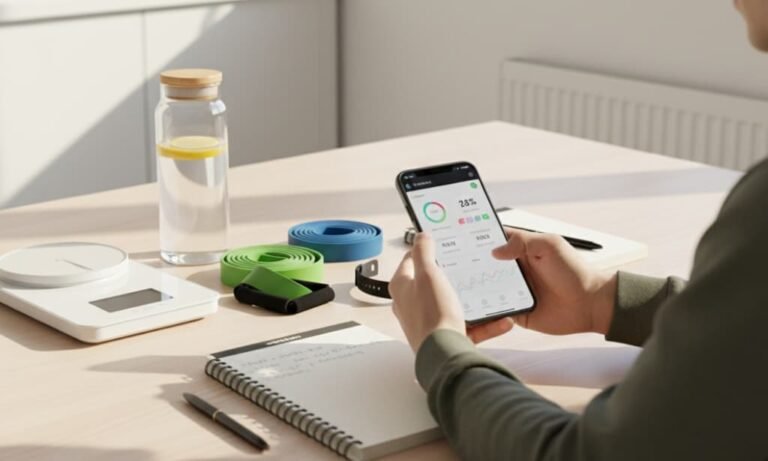
Tracking tools can be helpful when used mindfully. Fitness trackers, step counters, calorie apps, and habit trackers provide feedback that increases awareness of patterns. Seeing trends in movement, sleep, hydration, or activity helps identify areas for improvement without relying on guesswork.
These tools are most effective when used for observation rather than judgment. The goal is not perfection or control. It is awareness. Understanding baseline behavior allows gradual improvement without emotional pressure.
Overuse of tracking can create stress, obsession, or burnout. Healthy tracking supports curiosity and adjustment rather than punishment or rigid goals.
The best tracking tools provide insight without dominating attention.
Planning tools play a major role in consistency. A notebook, planner, digital calendar, or notes app can be used to outline meals, workouts, grocery lists, or weekly priorities. Writing things down reduces mental clutter and improves follow-through.
When decisions are made in advance, daily stress decreases. Last-minute choices often lead to convenience foods, skipped workouts, or impulsive behaviors. Simple planning creates structure without rigidity.
Even minimal planning improves outcomes. Choosing tomorrow’s meals, scheduling movement sessions, or preparing shopping lists removes friction from healthy choices.
Clarity improves execution.
The physical environment strongly influences behavior. What is visible, accessible, and convenient shapes daily actions. Healthy tools should be placed where they naturally support behavior.
Keeping fruit visible encourages consumption. Storing healthy snacks at eye level increases usage. Leaving exercise equipment accessible increases the likelihood of movement. Placing water bottles on desks or in bags increases hydration.
Environmental design reduces reliance on willpower. Behavior follows structure when the environment supports it.
Small changes in placement create big changes in habits.
Not every tool fits every person. Some people thrive with digital apps, while others prefer physical notebooks. Some enjoy tracking data, while others prefer intuitive approaches. The best tools are the ones that match personal habits, schedule, and comfort level.
A tool that feels burdensome will not be used consistently. Simplicity increases adherence. The goal is not to collect equipment but to select tools that genuinely support daily routines.
Quality matters more than quantity. A few reliable tools used consistently outperform a collection of unused gadgets.
Tools should support habits, not replace them. Owning equipment alone does not create results. Behavior creates results. Tools simply reduce friction and improve accessibility.
Relying too heavily on tools can create dependency or unnecessary complexity. When awareness improves, many tools naturally become less necessary. Skills replace equipment over time.
Healthy habits should function even when tools are unavailable.
Healthy progress does not require advanced technology or expensive systems. A few simple, well-chosen tools can make eating, movement, hydration, and planning easier to manage.
When tools remove effort and friction, consistency increases. Consistency drives long-term change far more than intensity or perfection.
The right tools quietly support healthy behavior without demanding attention. When routines become smooth and natural, results follow steadily and sustainably.