
Newsletter Subscribe
Enter your email address below and subscribe to our newsletter

Enter your email address below and subscribe to our newsletter
Live with Intention
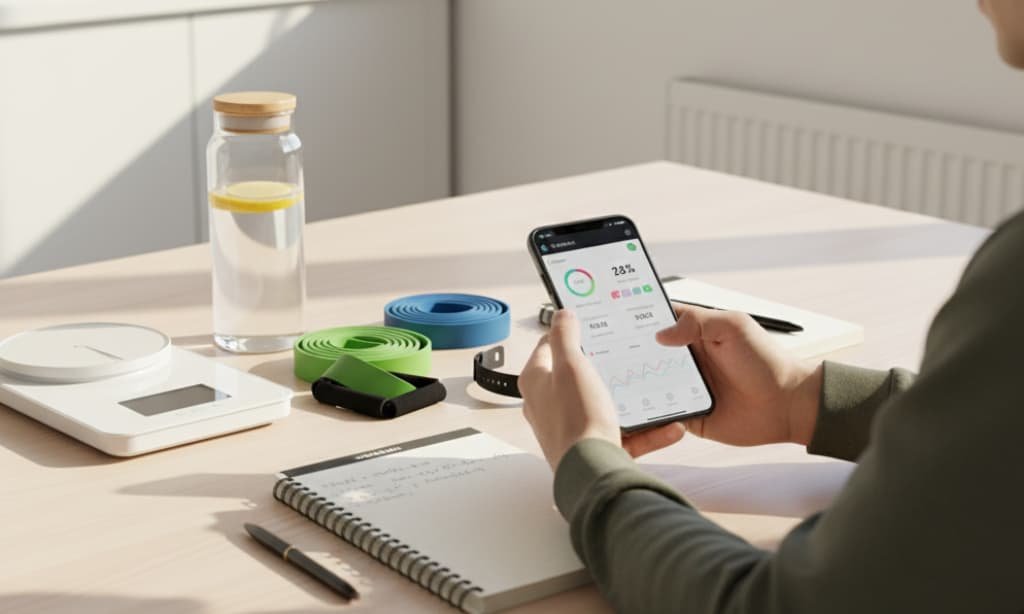
Health and fitness tools are meant to support progress, not overwhelm it. Many people begin with strong motivation but quickly accumulate too many apps, devices, trackers, and systems at once. Instead of creating clarity, this often produces confusion, mental fatigue, and frustration. When tools become complicated, adherence drops and routines collapse.
The goal of using tools is to reduce friction, not add complexity. Simplicity allows habits to remain sustainable. When tools fade into the background and behavior becomes automatic, progress continues without constant mental effort.
Effective tools support habits quietly.
Every tool should serve a clear role. Before adding a new app or device, it helps to ask one simple question: What problem does this solve? If a tool does not clearly support a behavior or remove friction, it is likely unnecessary.
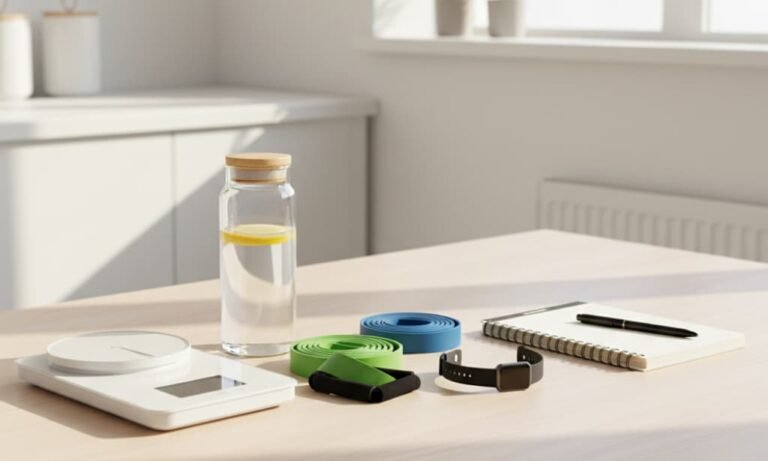
A food scale may support portion awareness. A step counter may increase daily movement awareness. A notebook may improve planning and follow-through. Each tool should align with a specific objective.
Tools that exist without purpose often become distractions. They add cognitive load without improving behavior. Removing unnecessary tools often improves consistency more than adding new ones.
Purpose drives effectiveness.
Tracking works best when it remains limited and intentional. Tracking everything simultaneously can create pressure and burnout. Calories, macros, steps, sleep, hydration, workouts, and recovery metrics quickly become overwhelming when monitored all at once.
Choosing one or two focus metrics at a time improves clarity. For example, tracking steps for several weeks builds awareness of daily movement. Once habits stabilize, tracking can be reduced or paused. The same applies to food awareness, hydration, or sleep routines.
Tracking should support learning rather than control. Awareness builds behavior change naturally.
Digital tools provide valuable data, but numbers should be interpreted as information rather than judgment. Daily fluctuations are normal. Obsessing over exact targets increases stress and reduces enjoyment.
The goal is identifying patterns. Trends reveal behaviors that influence energy, mood, appetite, and performance. Adjustments should be gentle rather than reactive.
When tools are used to guide decisions instead of enforce perfection, motivation remains steady and sustainable.
Planning tools strongly support consistency. Writing down meals, workouts, grocery lists, or weekly priorities reduces mental clutter and decision fatigue. When plans exist outside the mind, execution becomes easier.
Simple planning prevents impulsive decisions that often lead away from healthy routines. Even minimal planning improves adherence significantly.
Digital notes, calendars, or paper planners all work. The format matters less than the habit of planning itself.
Structure improves follow-through.
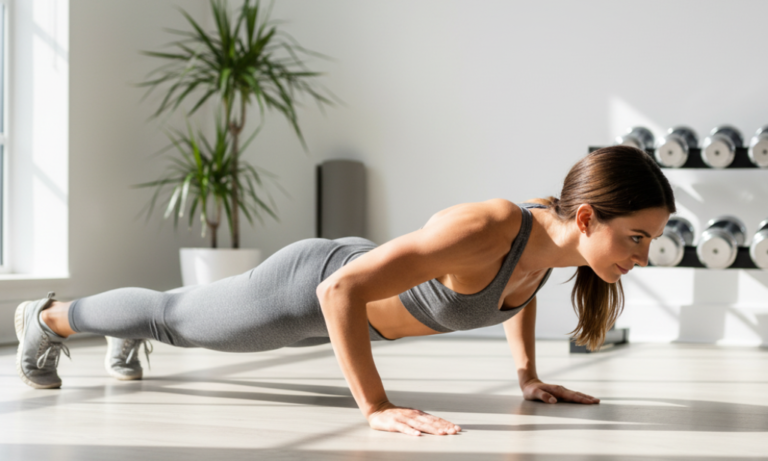
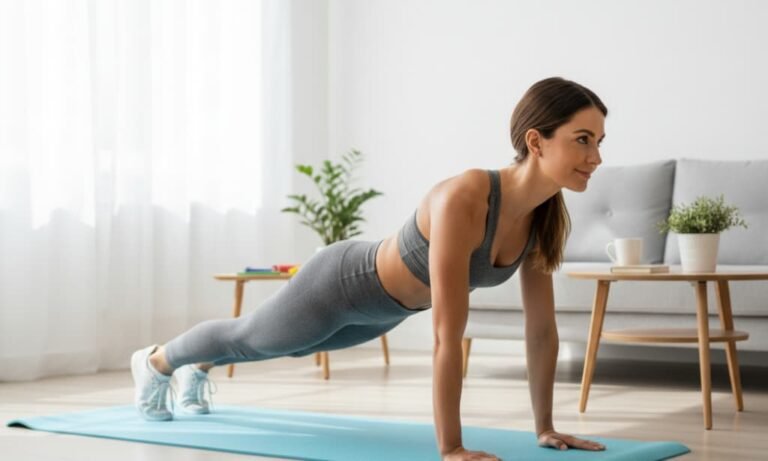
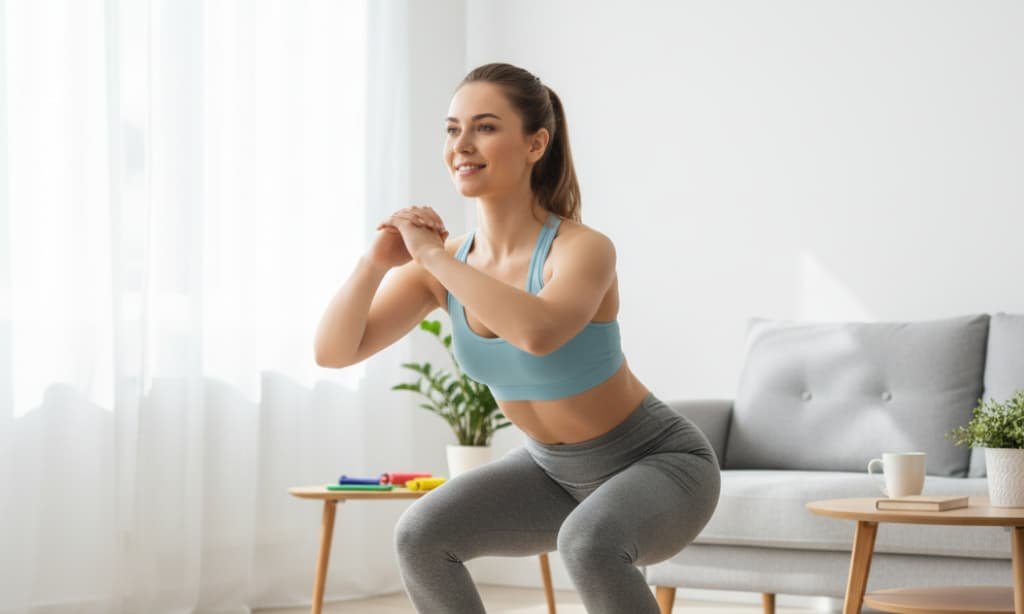
Fitness tools should match daily lifestyle rather than idealized goals. Home-based tools such as resistance bands, a yoga mat, adjustable dumbbells, or a jump rope remove barriers related to travel, time, and comfort.
Equipment that sits unused adds guilt rather than value. Simplicity increases utilization.
Accessibility encourages consistency.
Periodic breaks from tracking tools help rebuild awareness of natural hunger, fullness, energy, and recovery cues. Over-reliance on data can disconnect people from internal feedback.
Pausing tracking allows skills to replace tools. This strengthens long-term self-regulation and confidence.
Healthy habits should function independently of devices.
Tools do not create change on their own. Behavior creates change. Tools simply make healthy behavior easier to execute.
The most effective tools fade into the background while habits take the lead. Simplicity, clarity, and intentional use prevent burnout and support long-term consistency.
When tools align with lifestyle and purpose, progress becomes sustainable and calm.