


Newsletter Subscribe
Enter your email address below and subscribe to our newsletter

Enter your email address below and subscribe to our newsletter
Live with Intention
Portion control is often misunderstood as strict measuring, calorie counting, or eating tiny servings. In reality, portion control is about awareness, balance, and consistency rather than deprivation. When portions are built intelligently, people can regulate energy intake naturally without obsessing over numbers.
The goal is not to eat as little as possible. The goal is to eat enough to feel satisfied while avoiding habitual overeating driven by distraction, habit, or portion distortion. When awareness improves, portions become intuitive rather than forced.
Portion control supports freedom, not restriction.
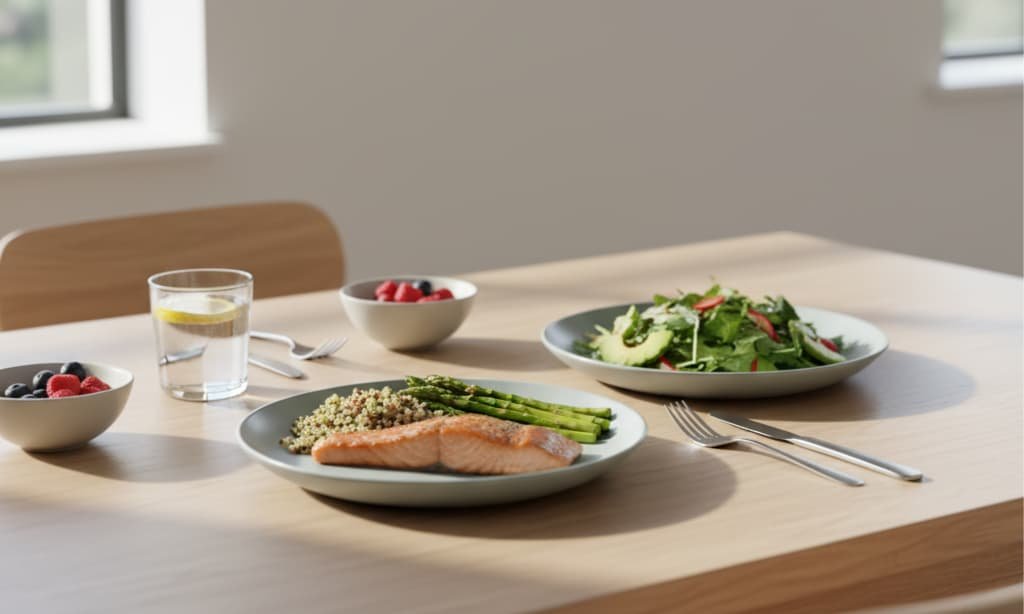
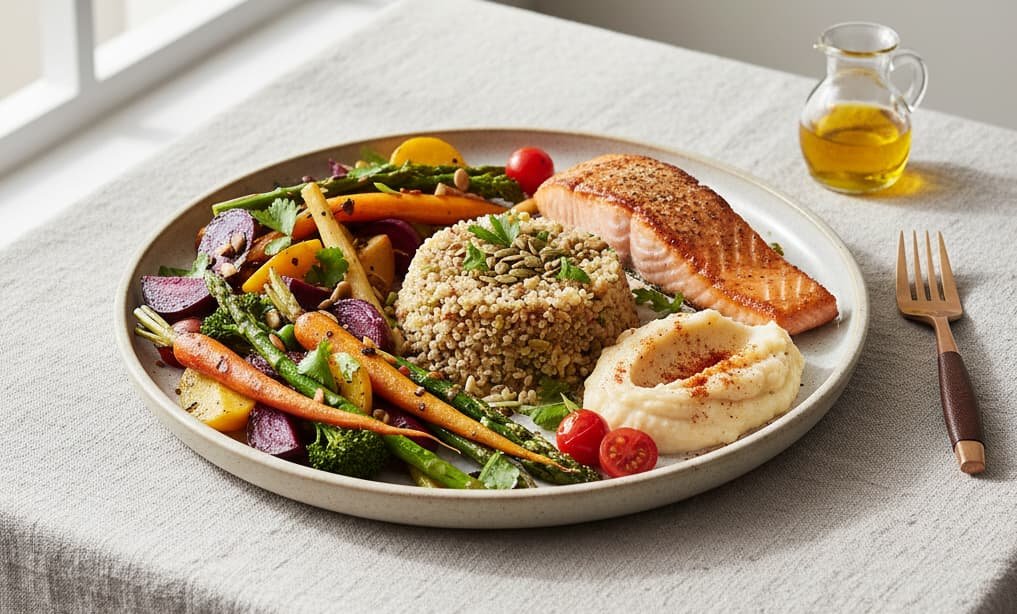
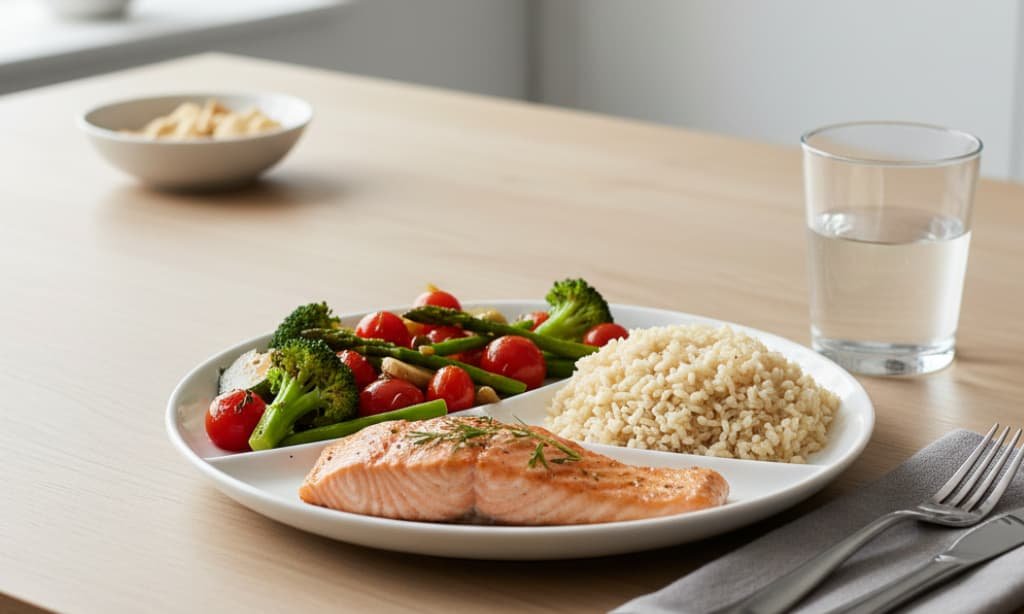
One of the simplest and most effective portion control tools is the plate method. This visual approach removes the need for measuring or tracking while maintaining balance.
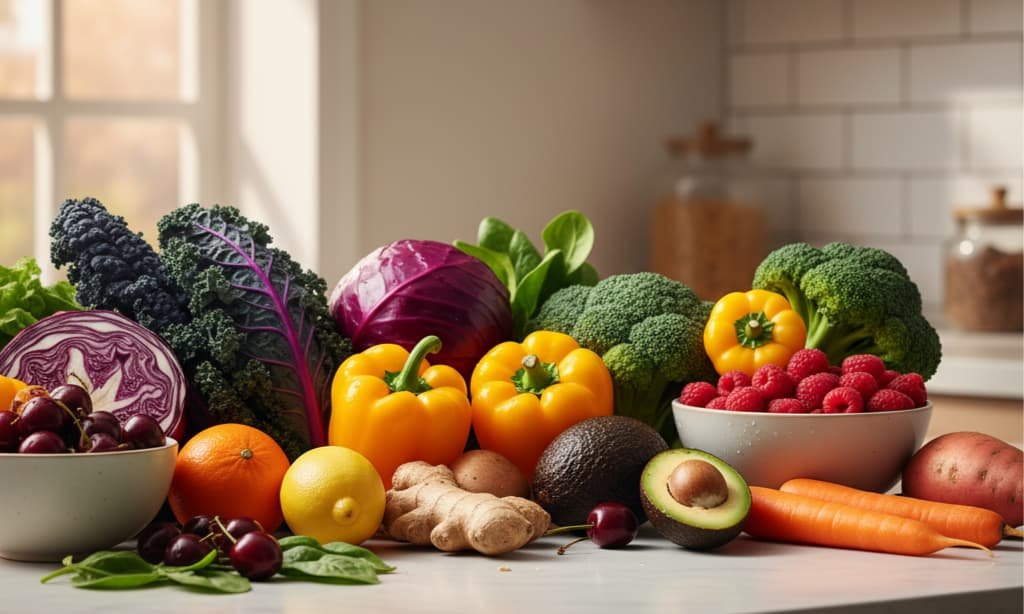
Filling half the plate with vegetables increases volume, fiber, hydration, and micronutrients with relatively few calories. Vegetables create fullness and improve digestion without excessive energy intake.
One quarter of the plate can include protein. Protein supports satiety, muscle maintenance, metabolic health, and stable energy levels. Adequate protein reduces the urge to overeat later in the day.
The remaining quarter can include carbohydrates such as whole grains, potatoes, rice, or legumes. Carbohydrates support energy, performance, and satisfaction when included appropriately.
This method adapts easily across cuisines and meal styles.
Protein plays a central role in portion regulation. Meals that include sufficient protein activate satiety hormones more effectively and slow digestion. This leads to stronger feelings of fullness and longer-lasting satisfaction.
When protein is missing or insufficient, people often compensate by eating larger portions of carbohydrates or fats in an attempt to feel satisfied. This can increase total calorie intake without improving fullness.
Including protein at every meal stabilizes appetite and reduces grazing behavior between meals.
Protein anchors portion control.
Eating speed significantly influences portion size and satisfaction. When meals are rushed, the brain does not receive fullness signals in time. This leads to eating beyond true hunger before satiety registers.
Slowing down allows digestion hormones to signal fullness appropriately. Chewing thoroughly, putting utensils down between bites, pausing halfway through meals, and minimizing distractions increase awareness.
Many people naturally reduce intake simply by improving eating pace without changing food choices.
Awareness regulates appetite.
Environment strongly influences how much people eat. Large plates and bowls visually distort portion size, leading to larger servings. Eating directly from packages reduces awareness of intake. Distracted eating increases mindless consumption.
Using smaller plates, serving food from the kitchen rather than at the table, and eating without screens improve portion control automatically.
These environmental changes reduce reliance on willpower and increase consistency.
Design supports behavior.
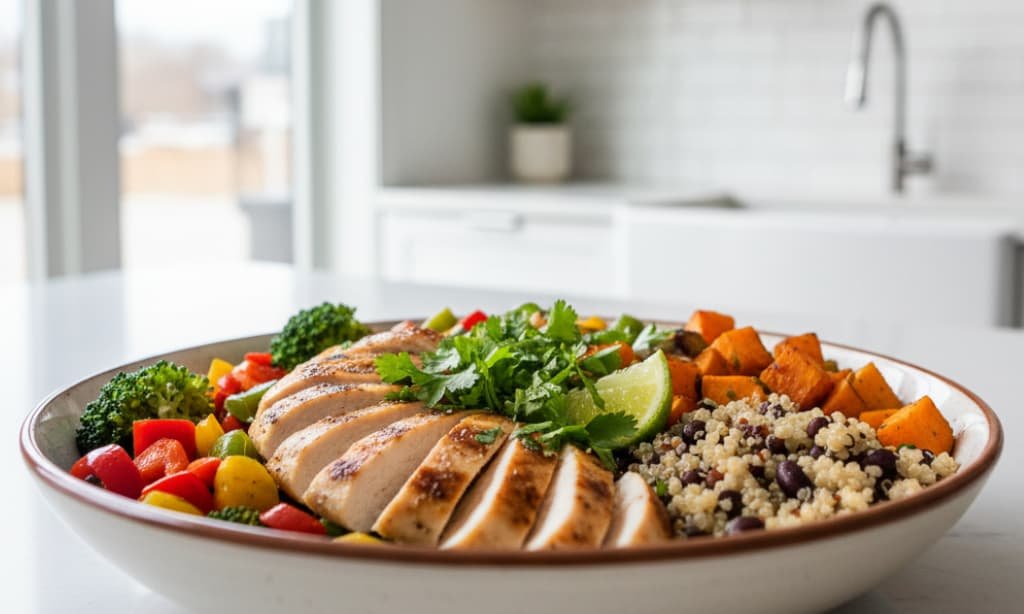
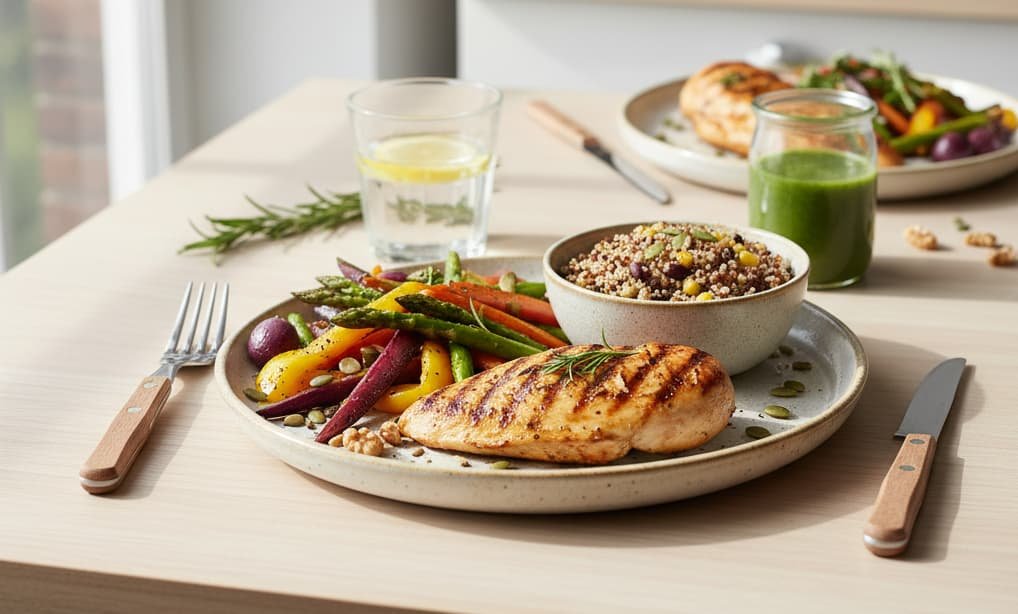
Balanced meals reduce the desire for second servings and constant snacking. Including fiber-rich vegetables, adequate protein, healthy fats, and whole food carbohydrates creates meals that feel complete and nourishing.
When meals satisfy hunger fully, cravings decrease and portion control becomes easier naturally. Energy stabilizes and impulse eating decreases.
Balance reduces compensation.
Portion control is a skill that improves with practice. Over time, visual estimation improves, hunger cues become clearer, and appropriate portions feel natural rather than restrictive.
Portion control does not mean eating less forever. It means eating intentionally and avoiding unconscious overconsumption.
Flexibility supports sustainability.
Managing portions is a practical way to support calorie balance without tracking numbers. Combined with food quality, routine, sleep, and movement, portion awareness creates a sustainable foundation for long-term health.
Consistency outperforms precision.
Portion control becomes a lifestyle habit rather than a dieting tool.