







Newsletter Subscribe
Enter your email address below and subscribe to our newsletter

Enter your email address below and subscribe to our newsletter
Live with Intention
Starting a fitness routine can feel intimidating, especially with the amount of advice, trends, and conflicting information available online. Many beginners believe they need intense workouts, perfect programs, expensive equipment, or extreme discipline to see results. This belief often creates hesitation, fear of failure, or unnecessary pressure before any progress even begins.
In reality, fitness works best when it is simple, consistent, and built around habits that fit everyday life. The body responds more favorably to steady movement than to sudden bursts of extreme effort. Sustainable fitness is about creating routines that can be repeated comfortably week after week, not pushing limits until motivation collapses.
Fitness supports overall health, weight management, energy levels, mental clarity, confidence, and long-term resilience. It does not need to be aggressive or complicated to be effective. For beginners, the primary goal is building reliability, not chasing intensity.
Fitness is not only about appearance or weight loss. Movement improves circulation, strengthens muscles and bones, regulates blood sugar, enhances mood, supports cognitive function, and reduces stress. Regular activity improves sleep quality and increases daily energy, making life feel easier and more productive.
When beginners focus solely on aesthetics or fast results, motivation often becomes fragile. Shifting focus toward health, energy, and consistency creates a stronger foundation. Fitness becomes a supportive habit rather than a punishment or obligation.
Progress happens gradually. The body adapts to repeated movement over time. Small improvements in strength, endurance, coordination, and confidence accumulate steadily when habits remain consistent.
Movement variety matters for long-term health. A balanced fitness routine includes three main components: strength training, cardiovascular activity, and mobility work.
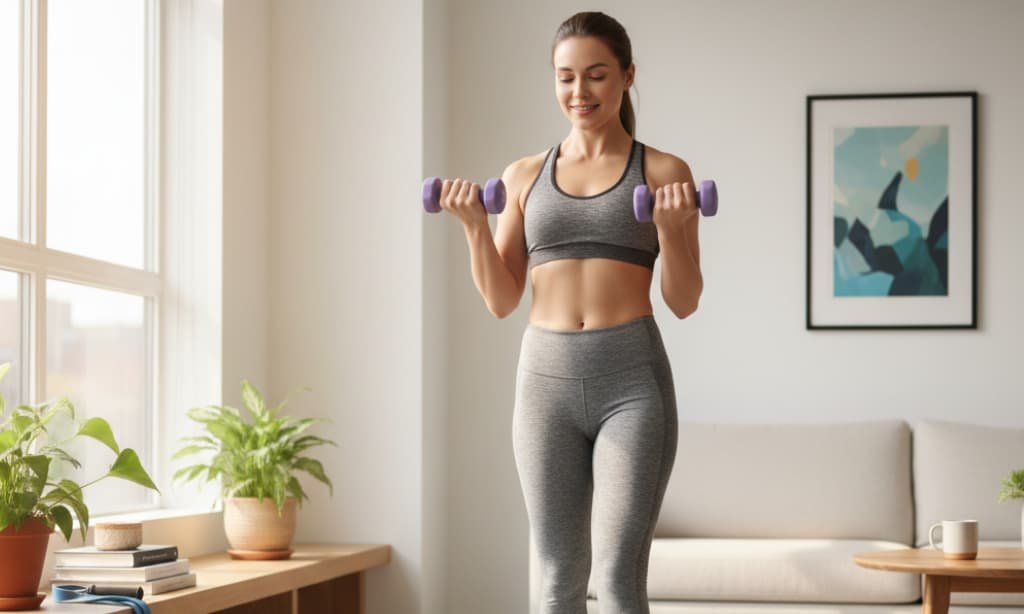
Strength training preserves muscle mass, supports metabolism, improves posture, protects joints, and increases functional strength for daily tasks. It does not require heavy weights. Bodyweight exercises, resistance bands, or light dumbbells provide sufficient stimulus for beginners.
Cardiovascular activity strengthens the heart, improves circulation, enhances lung capacity, and increases stamina. Walking, cycling, swimming, light jogging, or dancing all support cardiovascular health without excessive strain.
Mobility and stretching maintain joint health, reduce stiffness, improve posture, and decrease injury risk. Gentle stretching, yoga, and mobility drills support recovery and long-term movement quality.
Combining these elements creates a well-rounded routine that supports both physical performance and overall well-being.
One of the most common beginner mistakes is doing too much too soon. Intense workouts may feel motivating initially, but they often lead to excessive soreness, fatigue, discouragement, and inconsistent adherence. The nervous system and muscles need time to adapt.
Starting with short sessions of 20 to 30 minutes a few times per week creates a sustainable foundation. This approach builds confidence, reduces injury risk, and allows the body to adapt gradually. Progress emerges from repetition rather than exhaustion.
Consistency builds trust. When workouts feel achievable, momentum grows naturally.
Increasing intensity should be gradual and based on comfort, recovery, and confidence rather than external pressure.
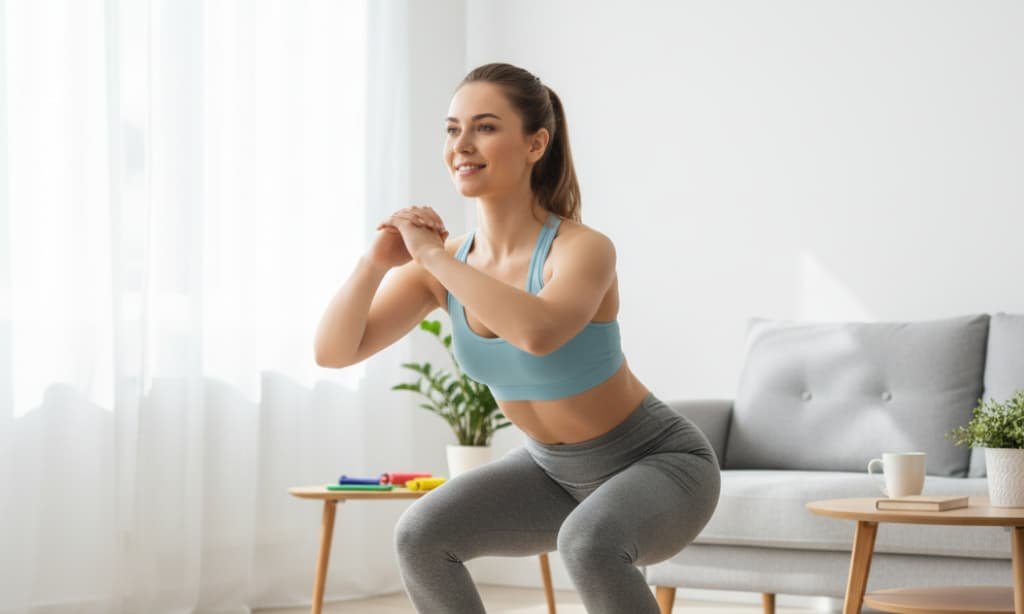
Home workouts provide a convenient and accessible starting point. Bodyweight exercises such as squats, push-ups, lunges, glute bridges, planks, and step-ups build strength using minimal space and no equipment.
Resistance bands and light dumbbells add variety and progressive challenge without complexity or high cost. These tools allow beginners to scale difficulty safely.
Walking is one of the simplest and most effective forms of cardiovascular exercise. It supports heart health, fat metabolism, stress reduction, and recovery. Daily walking improves overall activity levels without overwhelming the body.
Home-based movement removes barriers such as travel time, gym anxiety, and scheduling conflicts. Accessibility improves consistency.
Consistency matters more than perfection. Missing a workout does not define progress. What matters is returning to routine without guilt or self-criticism. Long-term fitness is built across months and years, not isolated sessions.
Progress shows up in many forms: increased energy, improved mood, better posture, reduced joint discomfort, stronger muscles, and improved confidence. Scale weight or appearance changes may occur slowly, but internal benefits appear earlier.
Focusing on identity rather than outcomes helps sustain momentum. Seeing yourself as someone who moves regularly strengthens behavior naturally.
Recovery is an essential part of fitness rather than a break from it. Muscles rebuild during rest, not during exercise. Sleep, hydration, nutrition, and rest days allow the body to adapt and grow stronger.
Beginners often underestimate the importance of recovery and push too aggressively. This increases injury risk and slows progress. Listening to the body, respecting soreness, and allowing rest improves long-term consistency.
Active recovery such as walking, stretching, or gentle mobility supports circulation and reduces stiffness without adding stress.
Exercise improves mental clarity, reduces anxiety, and increases emotional stability. Movement stimulates neurotransmitters that improve mood and focus. Regular activity creates a sense of accomplishment and structure that supports overall well-being.
When fitness becomes a positive outlet rather than a source of pressure, adherence improves. Enjoyable movement builds long-term engagement.
Mental resilience grows alongside physical strength.
Fitness should support lifestyle rather than compete with it. Work schedules, family responsibilities, energy levels, and preferences all influence sustainability. A realistic routine fits into daily life without creating stress or disruption.
Flexibility allows adjustment when schedules change. Short sessions still count. Walking counts. Mobility counts. Consistency matters more than volume.
Personalization strengthens adherence. Choosing activities you enjoy increases the likelihood of long-term success.
Starting simple creates a strong foundation. Small actions repeated consistently create meaningful change over time. Fitness is not about perfection, comparison, or extremes. It is about building habits that support health, confidence, and resilience.
When movement becomes part of daily identity, progress continues naturally. Sustainable fitness grows quietly through steady effort rather than dramatic intensity.
Simple routines, patience, and consistency create lasting results.