Breaking News



Popular News






Enter your email address below and subscribe to our newsletter
Live with Intention

When people start improving their diet, the first instinct is usually to focus on quantity. Calories are reduced, portions are cut, and rules are added. While portion control does matter, food quality often has a much bigger impact on long-term success. Two diets with the same calorie intake can produce very different results depending on the types of foods being eaten.
Calories tell you how much energy food provides, but they do not tell you how that food affects hunger, digestion, hormones, energy levels, or consistency. A meal made from whole foods behaves very differently inside the body compared to a meal made from heavily processed foods, even if the calorie count is identical.
When food quality is low, dieting feels harder. Hunger increases faster, cravings become stronger, energy fluctuates, and self-control requires constant effort. When food quality is high, appetite stabilizes, meals feel satisfying, and consistency becomes easier without rigid rules.
Food quality shapes how the body responds to every meal, not just how many calories are consumed.
Highly processed foods are engineered for convenience, taste, and long shelf life. They digest quickly, spike blood sugar rapidly, and provide little fiber or micronutrients. Because they move through the digestive system fast, hunger returns soon after eating.
This creates a cycle of cravings and snacking. Blood sugar rises quickly, then drops just as fast, triggering hunger signals and fatigue. The brain seeks more stimulation, often leading to additional eating even when calorie needs are already met.
Processed foods also make portion control difficult. Soft textures, added sugars, refined oils, and artificial flavors encourage faster eating and reduce natural fullness signals. It becomes easy to eat large amounts before the body has time to register satisfaction.
Over time, this pattern increases dependency on constant eating and makes dieting feel like continuous restriction rather than balance.
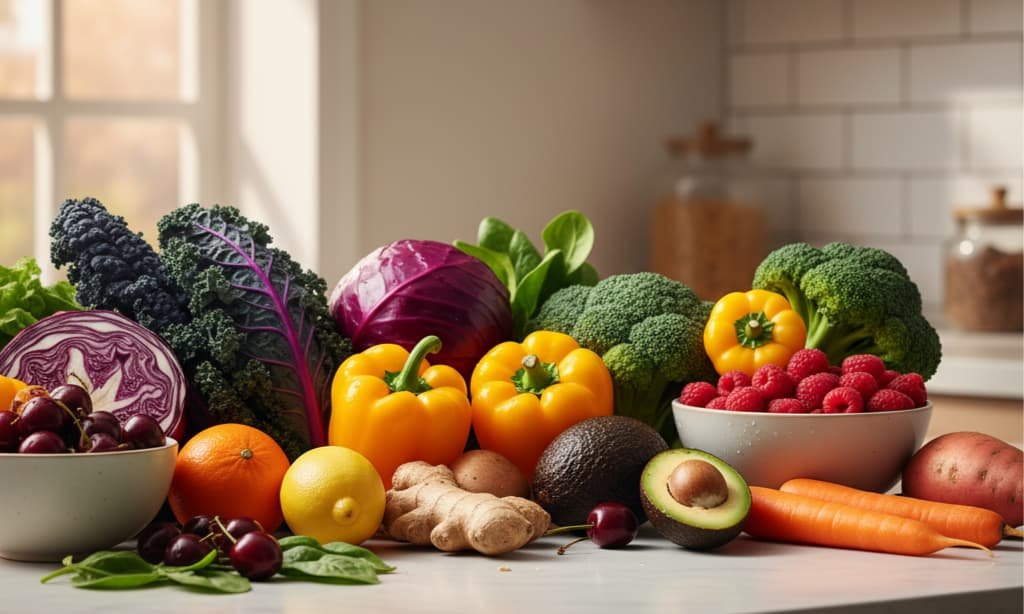
Whole foods behave differently in the body. Vegetables, fruits, whole grains, lean proteins, legumes, nuts, and healthy oils digest more slowly and provide fiber, water, and micronutrients. This combination slows digestion and keeps the stomach fuller for longer periods.
Fiber adds volume without excessive calories and supports steady blood sugar levels. Chewing whole foods also slows eating pace, allowing fullness hormones to activate properly. Meals become naturally satisfying rather than artificially stimulating.
Many people find that when most of their diet comes from whole foods, appetite becomes more predictable. Snacking decreases, portion control improves naturally, and cravings reduce without deliberate restriction.
The body recognizes real nourishment and responds with better regulation of hunger and energy.
Protein quality plays a major role in fullness and muscle maintenance. Whole protein sources such as eggs, fish, poultry, yogurt, beans, lentils, tofu, and dairy provide complete amino acids and digest more steadily than ultra-processed alternatives.
Whole protein foods often require more chewing, contain additional nutrients, and promote stronger satiety signals. This makes it easier to stop eating when comfortably full and reduces the urge to snack soon after meals.
Highly processed protein bars and shakes can be convenient occasionally, but they often lack fiber and volume, making them less satisfying. Liquid calories also pass through the stomach quickly and may not trigger the same fullness response as solid food.
Prioritizing whole protein sources supports appetite control, muscle preservation, and long-term consistency.
Carbohydrate quality strongly influences energy levels and cravings. Refined carbohydrates such as white bread, pastries, sugary cereals, and sweet drinks provide quick energy but little lasting fullness. They digest rapidly, leading to energy spikes followed by crashes.
These crashes often trigger fatigue, irritability, and renewed hunger, increasing the likelihood of overeating later in the day. Frequent blood sugar fluctuations place stress on appetite regulation and mental focus.
Whole carbohydrates behave differently. Foods like oats, brown rice, potatoes, beans, fruits, and whole grains contain fiber and complex structures that slow digestion. Energy is released gradually, keeping blood sugar more stable and hunger controlled.
Stable energy improves productivity, mood, and consistency with healthy eating habits.
Fat quality matters as much as quantity. Healthy fats from olive oil, nuts, seeds, avocados, and fatty fish support hormone production, brain function, and nutrient absorption. They also enhance flavor and satisfaction in meals, helping prevent feelings of deprivation.
Poor-quality fats, especially trans fats and heavily fried oils, add calories without supporting health. These fats may contribute to inflammation, digestive discomfort, and reduced metabolic efficiency.
Including moderate amounts of healthy fats improves satiety and supports long-term dietary balance. Fat does not need to be avoided when quality and portion awareness are respected.
The digestive system responds strongly to food quality. Diets rich in fiber and diverse whole foods support beneficial gut bacteria. These bacteria influence digestion, inflammation, immune health, and appetite regulation.
A healthy gut improves nutrient absorption and helps regulate hunger hormones. Poor gut health, often driven by low fiber and high processed food intake, may increase bloating, cravings, irregular digestion, and energy fluctuations.
Diversity in plant foods improves microbial diversity, strengthening overall health and metabolic stability. Better digestion supports consistency and comfort in daily eating patterns.
Improving food quality does not mean eliminating enjoyment. It means building most meals around nourishing foods while allowing flexibility for treats. When high-quality foods make up the majority of intake, occasional indulgences have far less impact on overall progress.
Restriction often increases desire for forbidden foods and leads to cycles of overeating. Balance reduces psychological pressure and supports calm decision-making around food.
Meals that taste good, feel satisfying, and support energy create positive reinforcement. Eating becomes something to look forward to rather than something to control.
Enjoyment strengthens consistency.
The body responds positively when it receives adequate nutrients, fiber, protein, and healthy fats. Hunger stabilizes, energy improves, digestion becomes smoother, and cravings decrease. These changes make healthy eating easier to maintain without constant discipline.
When meals leave you satisfied and energized, motivation remains stable. Food decisions become simpler. Emotional eating decreases. Progress feels steady rather than chaotic.
Quality creates internal alignment between appetite, energy, and behavior.
Improving food quality does not require perfection or expensive products. Simple upgrades create meaningful change. Choosing whole foods more often, cooking basic meals, adding vegetables to plates, prioritizing protein, and reducing ultra-processed snacks gradually shifts dietary patterns.
Small habits compound over time. Replacing sugary drinks with water, adding fruits or vegetables to meals, choosing whole grains when available, and preparing meals at home more often all support better quality without overwhelming effort.
Consistency matters more than intensity.
A high-quality diet supports more than weight management. It improves immune function, energy stability, digestion, cognitive performance, mood, and overall resilience. Food becomes fuel rather than stress.
When nourishment aligns with the body’s needs, progress feels natural rather than forced. The focus shifts from restriction to support.
Food quality builds the foundation for sustainable health, steady energy, and long-term consistency.