Breaking News



Popular News






Enter your email address below and subscribe to our newsletter
Live with Intention
Fiber is one of the most important nutrients for gut health, yet many people do not consume enough of it. While fiber is often associated with digestion alone, its benefits extend far beyond regular bowel movements. Fiber plays a key role in maintaining a healthy gut environment, supporting digestion, and improving overall well-being.
Fiber works by feeding beneficial bacteria in the gut. These bacteria ferment certain types of fiber and produce compounds that support gut lining health and reduce inflammation. A well-fed gut microbiome is more resilient and better able to handle dietary changes and stress. Without enough fiber, beneficial bacteria struggle to thrive.
There are different types of fiber, and both are important. Soluble fiber dissolves in water and helps slow digestion, supporting blood sugar control and fullness. Insoluble fiber adds bulk to stool and helps move food through the digestive tract. Eating a variety of fiber-rich foods ensures both types are included naturally.
Fiber also supports regular digestion. Diets low in fiber often lead to sluggish digestion, bloating, or irregular bowel movements. Increasing fiber gradually helps improve stool consistency and digestive comfort. Sudden large increases, however, can cause discomfort, so it is best to increase intake slowly.
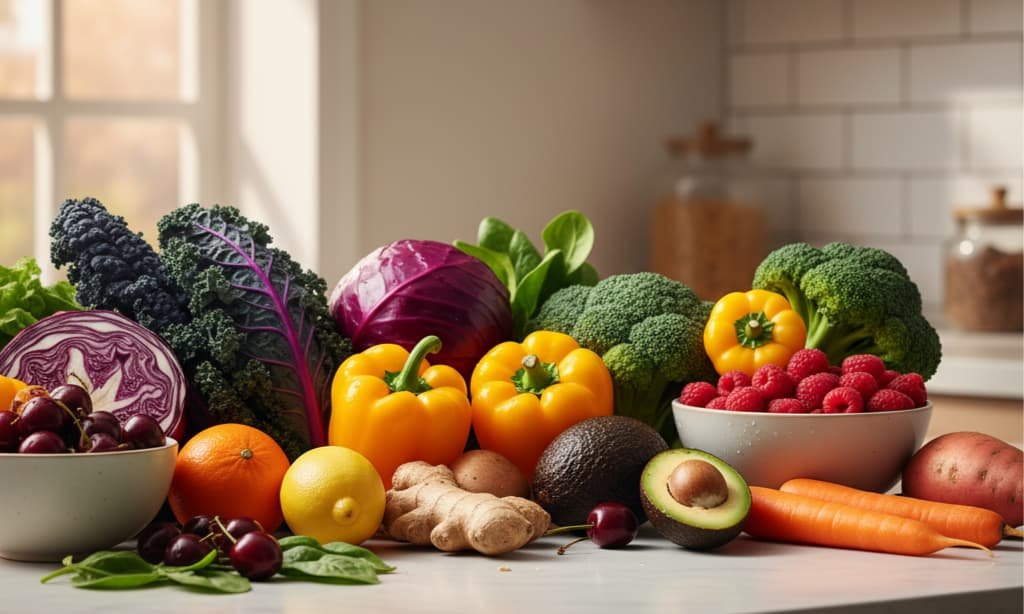
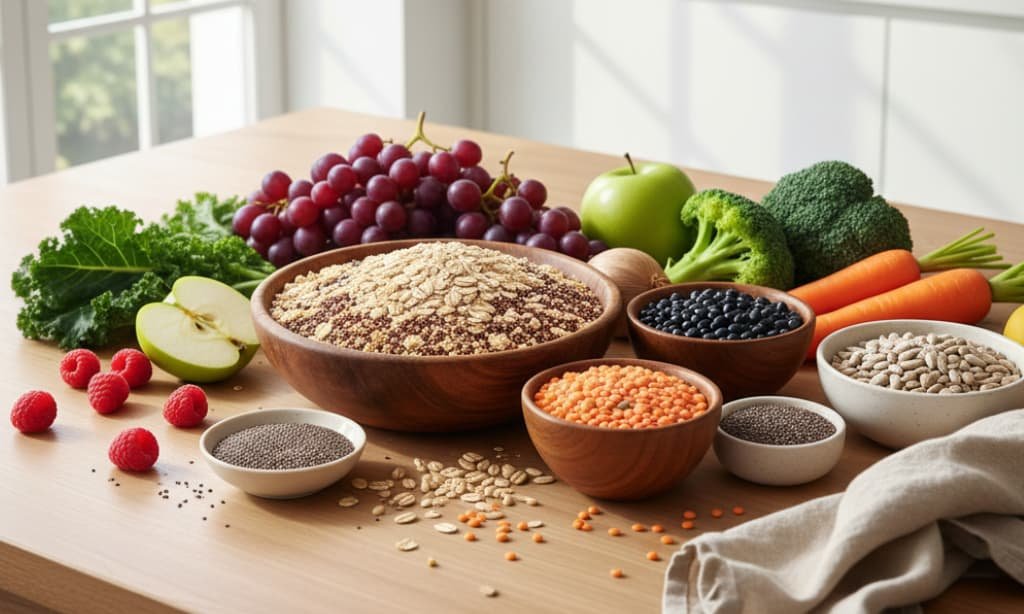
Fiber-rich foods include vegetables, fruits, legumes, whole grains, nuts, and seeds. Each provides different fibers that benefit gut health in unique ways. Rotating these foods throughout the week helps support a diverse gut microbiome, which is linked to better digestion and overall health.
Hydration works together with fiber. Fiber needs water to move smoothly through the digestive system. Drinking enough fluids supports fiber’s role and reduces the risk of discomfort. This combination improves digestion and helps prevent common issues like constipation.
Fiber also influences appetite and weight management. High-fiber foods increase fullness and reduce overeating, which indirectly supports gut health by stabilizing eating patterns. A healthy gut environment often leads to better appetite regulation and fewer cravings.
Improving fiber intake does not require complicated planning. Simple changes, such as adding vegetables to meals, choosing whole grains, or including fruit as a snack, make a noticeable difference over time. Consistency matters more than perfection.
Fiber is a cornerstone of gut health. When fiber intake improves, digestion becomes smoother, energy levels stabilize, and overall health benefits follow naturally.