Breaking News




Popular News





Enter your email address below and subscribe to our newsletter
Live with Intention

One of the biggest reasons people quit a diet is the feeling of deprivation. When eating feels restrictive, joyless, or constantly stressful, it becomes only a matter of time before old habits return. The human mind naturally resists anything that feels like loss, punishment, or control. When food becomes limited or forbidden, attention shifts toward what is missing rather than what is nourishing.
A diet that works long term should support health without making life feel smaller or less enjoyable. Eating is connected to culture, comfort, social connection, and daily rhythm. When these elements are stripped away, motivation weakens and compliance fades.
Deprivation creates emotional tension. The body may tolerate restriction temporarily, but the mind seeks relief. This often leads to cycles of strict control followed by overeating, guilt, and frustration. Sustainable eating removes this pressure by allowing balance and enjoyment within healthy structure.
Deprivation often begins with rigid rules. Labeling foods as completely off-limits creates psychological pressure. The more something feels forbidden, the more attention it receives in the mind. Cravings intensify not because the body truly needs the food, but because restriction amplifies desire.
This pattern explains why extreme diets frequently lead to binge eating rather than control. When a rule is broken, people often feel they have failed completely, leading to overeating and emotional distress. This all-or-nothing mindset damages consistency and confidence.
Rigid rules also reduce flexibility in real-life situations. Social gatherings, travel, family meals, and cultural foods become stressful instead of enjoyable. The constant need to resist normal experiences drains motivation over time.
A balanced approach replaces strict rules with flexible guidelines. Structure remains, but freedom exists within that structure.
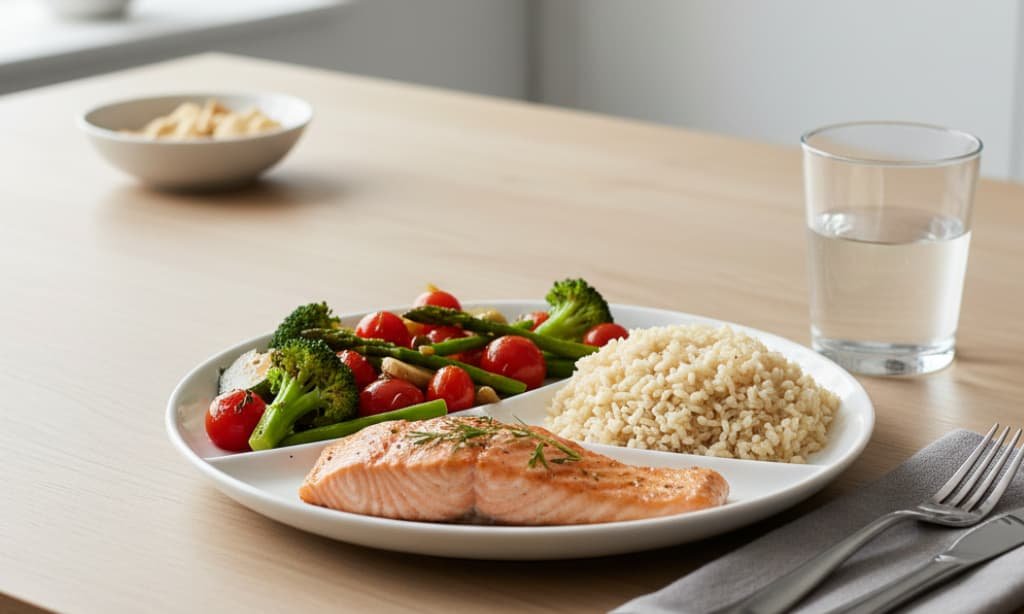
A more sustainable strategy is inclusion rather than exclusion. When meals are built around filling, nourishing foods such as vegetables, protein, whole grains, and healthy fats, the body naturally feels satisfied. This reduces the desire to overconsume less nutritious options without banning them entirely.
Including enough volume, fiber, and protein creates fullness that limits overeating naturally. Treats can exist occasionally without dominating the diet or triggering guilt. This removes emotional attachment to specific foods and normalizes balanced eating.
When nothing is forbidden, cravings lose their power. Food becomes neutral rather than emotionally charged. This supports calm decision-making and long-term consistency.
Volume plays a major role in satiety. Foods high in water and fiber take up more space in the stomach while providing relatively fewer calories. Large portions of vegetables, fruits, soups, and salads create physical fullness and visual satisfaction.
Seeing a full plate signals abundance rather than restriction. This reduces feelings of deprivation even while supporting calorie control. Meals feel generous, nourishing, and comforting rather than limited.
Volume-based eating allows you to enjoy larger portions while still maintaining balance. This reduces the mental stress associated with dieting and portion anxiety.
Many people associate dieting with bland, boring food. This belief creates unnecessary resistance and reduces long-term adherence. Flavor is essential for satisfaction. Enjoyable meals reduce the desire to seek comfort from highly processed foods.
Using herbs, spices, citrus, vinegar, moderate sauces, and proper cooking methods enhances taste without excessive calories. Grilling, roasting, sautéing, and seasoning transform simple ingredients into satisfying meals.
When food tastes good, eating becomes enjoyable rather than mechanical. Satisfaction increases, and cravings decrease naturally.
Enjoyment supports consistency.
Flexibility keeps a diet sustainable. Social meals, celebrations, travel, holidays, and cultural traditions are part of life. A healthy diet makes room for these moments instead of treating them as failures or setbacks.
The key is returning to normal eating patterns afterward rather than allowing one meal to turn into several days of overeating. Consistency across time matters more than isolated choices.
Flexible thinking prevents guilt and discouragement. When eating remains balanced most of the time, occasional indulgence does not disrupt progress.
Confidence grows when you trust yourself to navigate real-life situations without losing control.
Mindful eating reduces feelings of deprivation and improves satisfaction. Eating slowly, without screens or distractions, allows the body to recognize fullness signals more effectively. Chewing thoroughly and pausing during meals improves awareness of hunger and satisfaction.
When food is truly tasted and enjoyed, smaller portions often feel sufficient. Many people overeat not because they are hungry, but because they eat quickly, distracted, or emotionally.
Awareness strengthens self-regulation naturally. Control emerges from connection rather than force.
Food is often used to manage stress, boredom, fatigue, or emotional discomfort. When diets are overly restrictive, emotional eating becomes more likely because comfort foods feel forbidden and therefore more powerful.
A balanced approach reduces emotional pressure around food. When meals are satisfying and flexible, emotional triggers become easier to manage without using food as the primary coping tool.
Stability in eating supports stability in mood and behavior.
A diet should support your life rather than control it. Eating should provide nourishment, enjoyment, and energy without constant stress or guilt. When food fits naturally into daily routines and social environments, consistency becomes effortless.
Sustainable eating allows freedom within structure. It respects hunger, pleasure, culture, and lifestyle. Progress happens quietly through steady habits rather than dramatic restriction.
The less deprived you feel, the more likely you are to maintain consistency and achieve lasting results.
Long-term success depends on satisfaction. When meals leave you full, energized, and emotionally satisfied, motivation remains steady. Eating becomes supportive rather than adversarial.
Health improves when habits feel natural rather than forced. A diet that feels livable becomes a lifestyle instead of a temporary project.
Freedom, enjoyment, and balance create the foundation for sustainable health and long-term consistency.